
Table of Contents
- Why Mosquito Protection Matters for Babies
- Physical Barriers: Your First Line of Defence to Protect Baby from Mosquitoes
- Safe Clothing Choices and Environmental Management
- Safe Insect Repellent for Babies: What Parents Need to Know
- Nighttime vs Daytime Protection Strategies
- Travel-Specific Tips to Protect Baby from Mosquitoes
- How to Treat Mosquito Bites on Babies
- Conclusion
Last Updated: August 25, 2026
Why Mosquito Protection Matters for Babies
Babies are far more vulnerable to mosquito bites than adults. Their skin is thinner, their immune systems are still developing, and they cannot tell you when something is wrong. According to Healthdirect Australia's guide on mosquito-borne diseases, mosquitoes in Australia can transmit Ross River virus, Barmah Forest virus, and Murray Valley encephalitis, making protection a genuine health priority.
This guide covers every layer of protection available to parents, from physical barriers and safe clothing to age-appropriate repellents and post-bite care. A layered approach, combining physical barriers with environmental management and, when appropriate, topical products, consistently outperforms any single method. Critically, the rules for babies differ significantly from adults: concentration percentages safe for older children can be too strong for newborns, and products suitable for toddlers may be unsuitable for infants under three months.
Physical Barriers: Your First Line of Defence to Protect Baby from Mosquitoes
Physical barriers are the safest and most reliable way to protect baby from mosquitoes outside, requiring no chemical exposure at all. For young infants, this should always be your starting point before considering any topical product.
Pram Covers and Stroller Mesh
A properly fitted pram cover or stroller mesh is one of the most practical tools available. Look for covers made from breathable fabric that allows airflow while remaining insect-proof. A cover that traps heat creates its own risk: overheating is a serious concern for infants, so never use a heavy blanket or non-ventilated cover as a substitute.
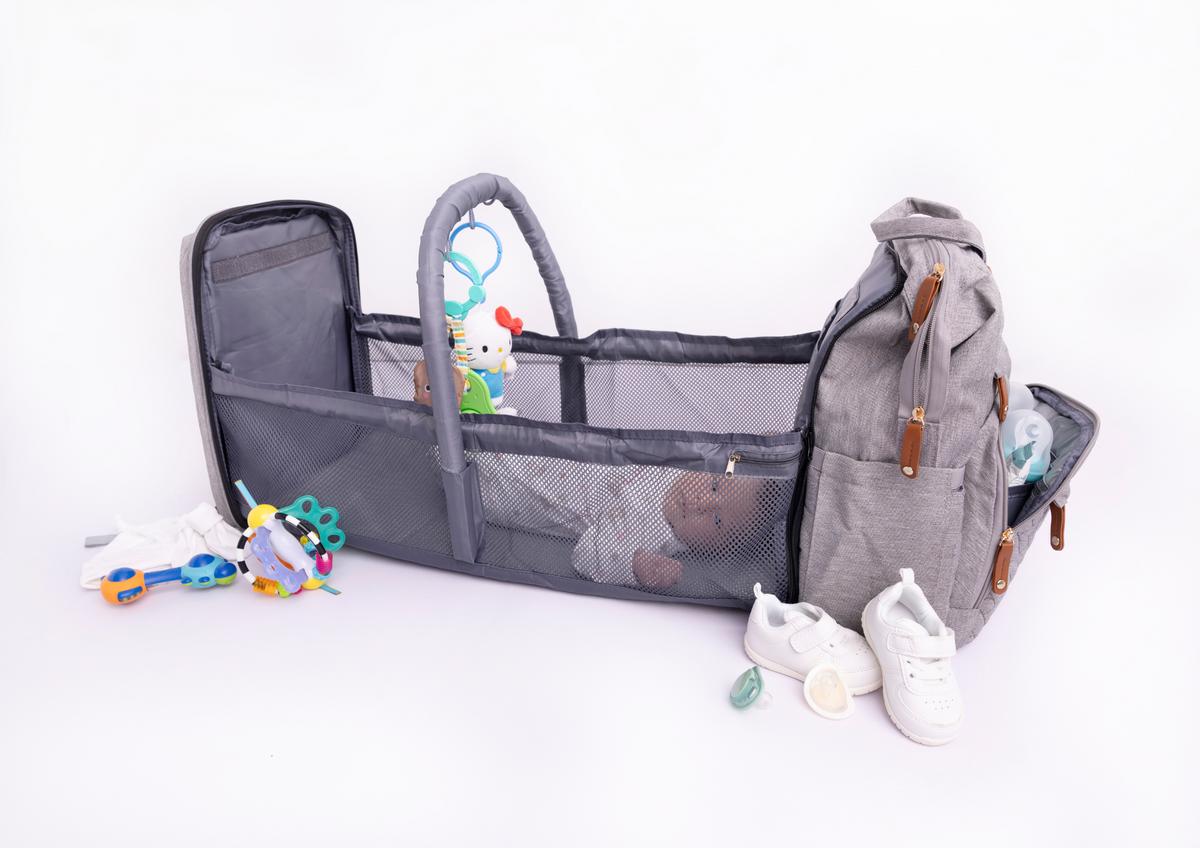
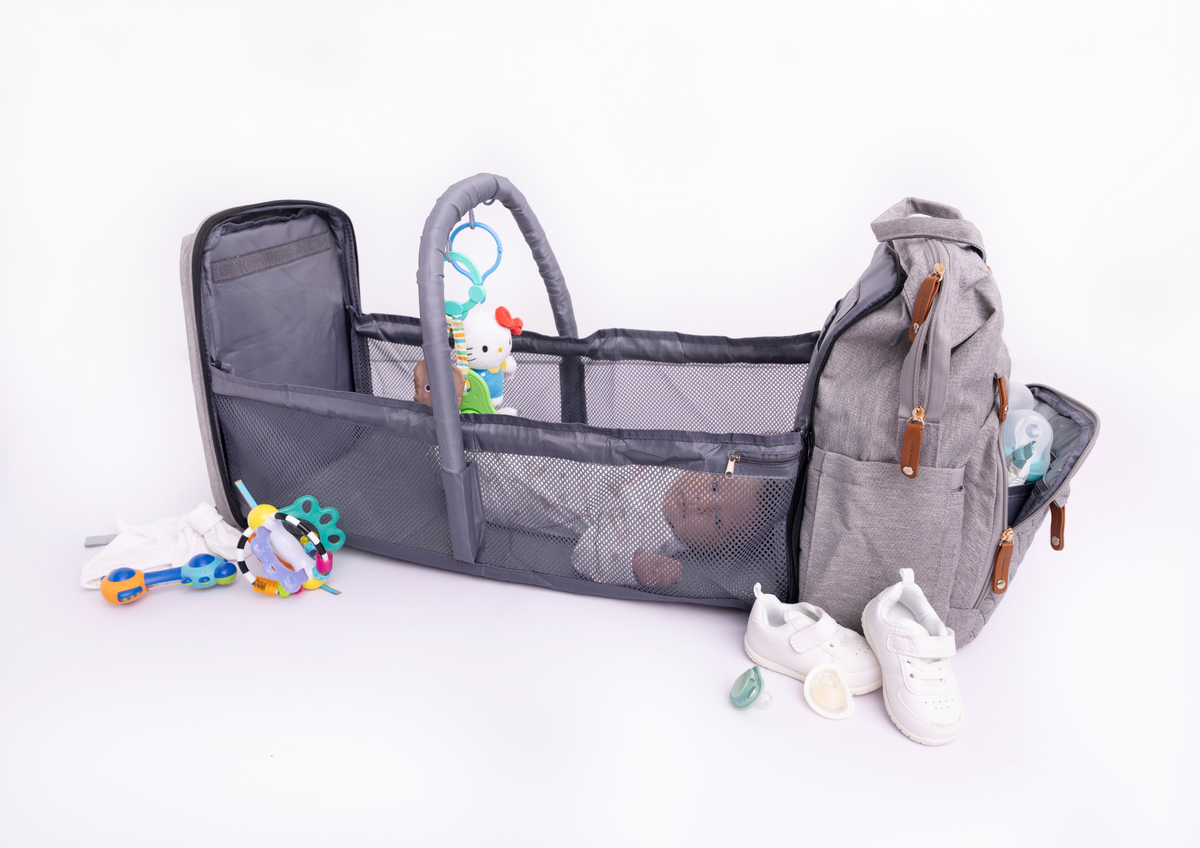
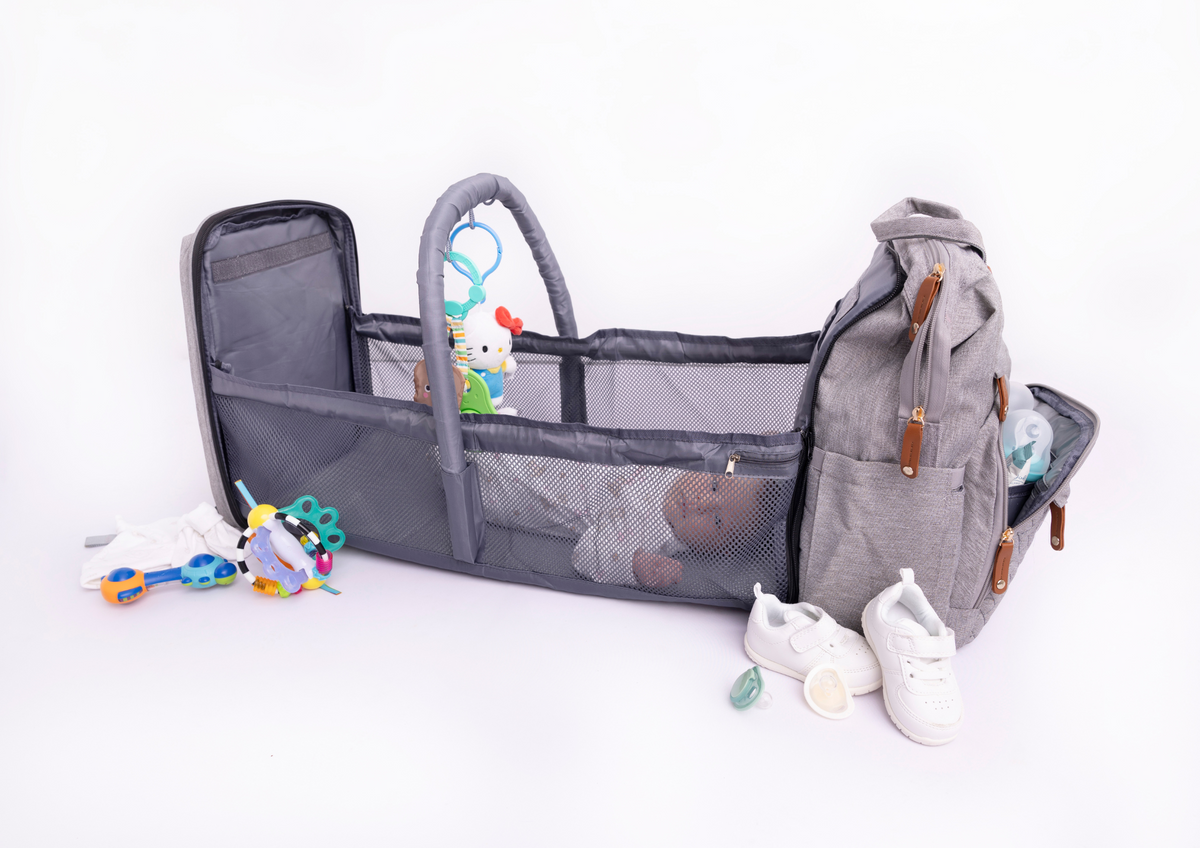
When selecting a pram cover, check that the mesh is fine enough to block small biting insects, it attaches securely, allows adequate airflow to prevent heat build-up, and provides UV protection as a secondary benefit. The Bon Voyage Baby nappy bag includes a built-in mosquito net and shade cover, giving parents a ready-to-use barrier solution integrated directly into their travel setup.
Mosquito Netting for Sleep Spaces
Outdoor sleep spaces, including portable cots and pram bassinet inserts, all benefit from dedicated mosquito netting. Freestanding net domes are available for use on picnic rugs and outdoor mats. Ensure any netting is tucked securely underneath the mattress or sleep surface, with no gaps at the sides where insects can enter.
For home use, a cot net hung from the ceiling above the cot provides continuous protection during overnight hours without requiring any topical product.
Safe Clothing Choices and Environmental Management
The clothing you put on your baby is a protective tool in its own right. Most parents underestimate how much coverage and fabric choice alone can reduce biting.
What to Dress Your Baby In
Long-sleeved clothing and long pants are the most straightforward protective measure for outdoor outings, particularly around dawn and dusk when mosquitoes are most active. Choose light-coloured fabric where possible; research consistently links darker colours to higher mosquito attraction, and light colours make it easier to spot ticks and other insects on clothing.
Practical clothing choices include long-sleeved onesies or bodysuits in breathable cotton, full-length lightweight pants, socks to cover ankles and feet, and a wide-brimmed hat that shades the face and neck. Avoid open-weave knits, which mosquitoes can bite through, and avoid floral or fruit-patterned clothing, which may attract insects.
Reducing Mosquito Habitat Around You
Environmental management is the most overlooked part of mosquito protection. Mosquitoes breed in standing water, so eliminating breeding sites significantly reduces the number of mosquitoes in your immediate area.
At home, check and address pot plant saucers, blocked gutters, buckets and containers, birdbaths and water features, and children's paddling pools. When outdoors away from home, choose seating areas away from ponds, drains, and dense vegetation. Mosquitoes rest in shaded, humid areas during peak heat, so open, breezy spots offer naturally lower exposure.
Safe Insect Repellent for Babies: What Parents Need to Know
Safe insect repellent for babies generates confusion largely because the rules change based on the child's age and the product's active ingredient. The Australian Pesticides and Veterinary Medicines Authority (APVMA) guidelines on insect repellents provide the regulatory framework for repellent safety in Australia. Always check that any product carries APVMA registration.
Age-Appropriate Repellent Guidelines
The age of your baby determines which products are appropriate. This is a safety requirement, not a conservative suggestion.
| Age Group | Recommended Approach | Active Ingredient Options |
|---|---|---|
| Under 3 months | Physical barriers only; no topical repellent | None |
| 3 months to 2 years | Low-concentration DEET or Picaridin; apply sparingly | DEET up to 10%, Picaridin up to 10% |
| 2 years and older | Standard formulations appropriate; apply as directed | DEET up to 20%, Picaridin up to 20% |
For babies aged three months and older, apply repellent to exposed skin only. Avoid the hands, which infants frequently put in their mouths, and avoid the area around the eyes and mouth. Apply to your own hands first, then transfer to the baby's skin rather than spraying directly.
Natural vs Chemical Repellents
Citronella and essential oil-based products are popular because they feel safer, but clinical evidence is more nuanced. These products generally offer shorter protection windows than DEET or Picaridin-based products. For a short outing in a low-risk area, a citronella product may provide adequate protection. For longer outings or travel to tropical regions, DEET or Picaridin at the appropriate concentration is more reliable.
Natural repellents require more frequent reapplication (often every 30 to 60 minutes), vary significantly in concentration and quality between products, and "natural" does not automatically mean safe for infants. For everyday outings with low mosquito pressure, a quality natural repellent is reasonable for babies over three months. For travel to higher-risk areas, use a registered DEET or Picaridin product at the appropriate concentration.
Nighttime vs Daytime Protection Strategies
Mosquito species active at night often differ from those active during the day, and the risk profile changes accordingly.
Daytime protection centres on physical barriers and clothing. Most daytime-active mosquitoes in Australia are nuisance biters rather than significant disease vectors, though Ross River virus transmission can occur during daylight. Focus on pram covers, appropriate clothing, and avoiding peak activity periods around dawn and late afternoon.
Nighttime protection requires a more deliberate approach. Ensure the sleep space is screened or netted, use a ceiling or pedestal fan (mosquitoes are weak flyers and moving air significantly reduces landing), check window and door screens for gaps before settling the baby for the night, and if using a portable sleep space outdoors, confirm the netting is fully secured. For families staying in accommodation without adequate screening, a portable cot net is worth carrying.
Travel-Specific Tips to Protect Baby from Mosquitoes
Travelling with a baby introduces mosquito risk that is often significantly higher than at home, particularly in tropical destinations. Planning your protection strategy before you leave is far more effective than improvising on arrival.
The Bon Voyage Baby nappy bag was designed with this scenario in mind. The built-in, removable baby bed with integrated mosquito net and shade cover means parents arrive at any destination with a protected sleep space already packed. There is no separate cot to assemble, no net to hunt for in luggage, and no compromising on safety because you forgot to pack something.
Before travel, research the mosquito risk and any active disease advisories for your destination via Smartraveller Australian Government travel advice, pack age-appropriate repellent in your carry-on, bring a portable mosquito net if your accommodation is uncertain, pack long-sleeved clothing for dawn and dusk outings, identify the nearest medical facility at your destination, and confirm accommodation has screened windows or air conditioning before booking.
For air travel, the mosquito risk is low in the cabin but airports in tropical destinations can be high-exposure environments. Use a pram cover during transit through airports, particularly in outdoor drop-off or pick-up zones.
How to Treat Mosquito Bites on Babies
Most mosquito bites on babies cause localised redness, swelling, and itching that resolves within a few days without medical treatment. The main risks are secondary infection from scratching and, in rare cases, allergic reaction.
For standard bites: cool the area with a damp cloth for five to ten minutes, keep your baby's fingernails short to reduce skin damage from scratching, apply a hypoallergenic, fragrance-free lotion to reduce itching, and monitor for signs of infection. Do not apply topical antihistamine creams to infants without medical advice.
Signs of Allergic Reaction to Watch For
A small number of babies experience a more significant reaction to mosquito bites, sometimes called Skeeter syndrome, an exaggerated immune response to mosquito saliva distinct from anaphylaxis, though both require attention.
Signs of a more significant local reaction include swelling extending well beyond the bite site, significant redness covering a large area, blistering at the bite site, and fever accompanying the reaction. Signs of a systemic allergic reaction requiring immediate emergency care include hives or rash spreading across the body, swelling of the face, lips, or throat, difficulty breathing or wheezing, and vomiting or loss of consciousness. If you observe any systemic signs, call 000 immediately.
When to See a Doctor
Most bites do not need medical attention. See a doctor if the bite site shows signs of infection, your baby develops a fever within two weeks of travel to a mosquito-risk area, the local reaction is severe, or you are unsure whether the bite is from a mosquito. For families returning from travel to areas with known vector-borne disease risk, mention this to your GP even if your baby appears well, as some illnesses have an incubation period before symptoms appear.
Keeping your baby protected from mosquitoes outdoors takes a layered approach: physical barriers first, appropriate clothing, environmental management, and age-appropriate repellent when needed. For families who travel frequently, having that protection built into your kit rather than packed separately makes a real difference to how consistently you use it. The Bon Voyage Baby nappy bag includes an integrated mosquito net and shade cover, a built-in removable baby bed, and insulated pockets to keep everything organised, so you're ready for outdoor stops without the scramble. Discover the Nappy Bag and see why parents who travel with young children choose a setup that handles protection and practicality in one.
Frequently Asked Questions
Is there a safe mosquito repellent for babies under 3 months?
Topical repellents including DEET and Picaridin are not recommended for babies under 3 months. For newborns, physical barriers are the safest option: use insect-proof mosquito netting over the pram or bassinet, dress the baby in long-sleeved, light-coloured clothing, and avoid being outdoors during peak mosquito activity at dawn and dusk. Always consult your paediatrician before applying any topical product to a young infant.
Can I use natural mosquito repellents on my baby?
Natural options such as citronella and other essential oils are often marketed as safer alternatives, but their concentration percentage and skin sensitivity risks still apply to infants. For everyday outings with low mosquito pressure, a quality natural repellent is reasonable for babies over three months. For travel to higher-risk areas, use a registered DEET or Picaridin product at the appropriate concentration. Physical barriers remain the most reliable preventative measure for young babies, with repellents used only on the advice of a paediatrician.
How do I mosquito-proof my baby's pram or travel bed?
Fit a fine mesh stroller mesh or pram cover that is insect-proof and allows airflow with breathable fabric. For travel beds and portable sleep spaces, drape dedicated mosquito netting over the top, ensuring it is tucked in securely so there are no gaps. Check that the netting material is fine enough to block biting insects without restricting ventilation, especially in warm conditions. Avoid placing the net directly against your baby's skin.
What should I do if my baby gets a mosquito bite?
Clean the bite site gently with mild soap and water. Apply a cool, damp cloth to reduce swelling and ease discomfort. Trim your baby's nails short to prevent scratching, which can introduce infection. Avoid applying antihistamine creams or hydrocortisone without paediatrician guidance for infants. Watch for signs of an allergic reaction including significant swelling, hives, or breathing difficulty, and seek medical attention promptly if any of these appear or if the bite site shows signs of infection.

Leave a comment
This site is protected by hCaptcha and the hCaptcha Privacy Policy and Terms of Service apply.