
Last Updated: October 27, 2026
Quick Summary
To clean a portable baby bassinet, strip the cover, mattress and liners, then pre-treat stains with mild baby-safe detergent and wash the removable cover on a gentle cycle at 30°C to 40°C. Spot clean the foam core only, wipe the frame, and air dry every part completely before reassembly.
- Shake loose debris out of the cover outdoors or over a bin before washing.
- Let detergent sit on dried stains for five to ten minutes before blotting again.
- Leave bicarbonate of soda on dry fabric for 15 to 20 minutes to lift stale odours.
- Never machine wash or dry the foam mattress core, because heat can warp it.
- Do a full clean weekly and a deep clean monthly or before storing the bassinet.
Table of Contents
- What You'll Need Before You Start Cleaning
- Step-by-Step: How to Clean a Portable Baby Bassinet
- How to Wash a Bassinet Mattress Without Damaging It
- How to Clean a Bassinet Frame and Hard Parts
- How to Disinfect a Baby Bassinet Safely
- How Often to Clean a Bassinet (and When to Do a Deep Clean)
- Drying and Reassembling Your Portable Baby Bassinet
- Common Cleaning Mistakes That Damage Bassinets
- Frequently Asked Questions
What You'll Need Before You Start Cleaning
Learning how to clean a portable baby bassinet starts with the right supplies.
Gather these before you begin:
- Mild baby-safe detergent or a gentle soap
- Two soft microfibre cloths
- A small soft-bristled brush
Check the care label first. Most bassinet covers wash on a gentle cycle, but some fabrics need spot cleaning only.
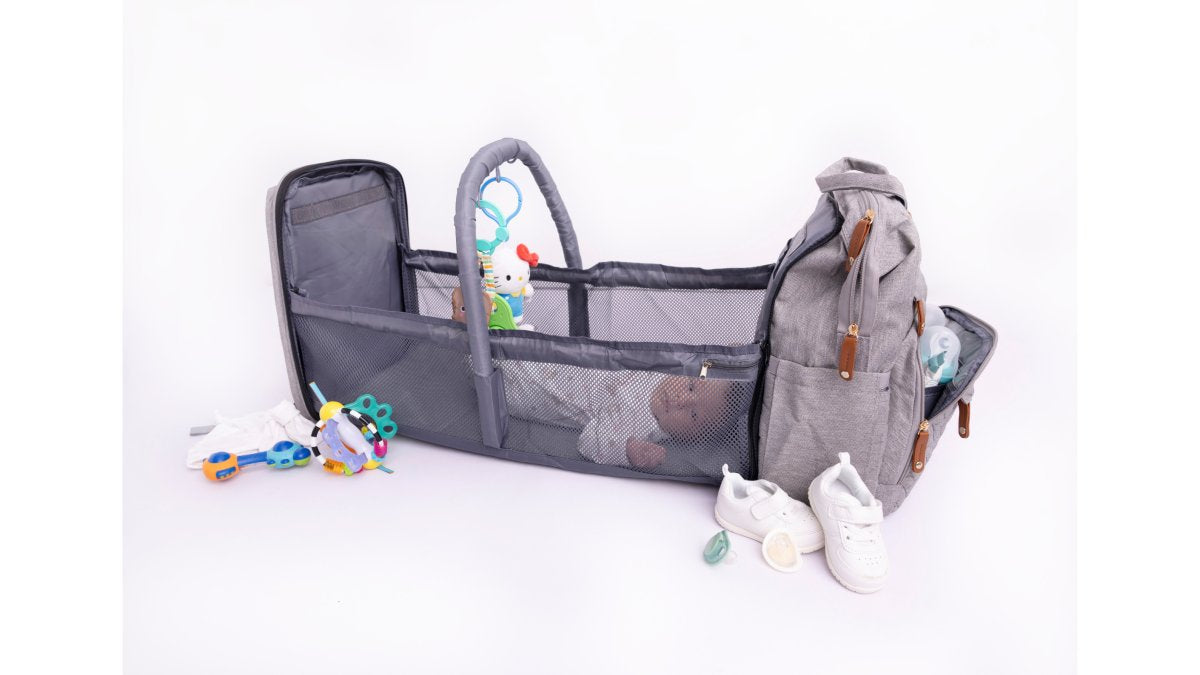
If you are packing for a trip and want your baby's gear organised, our Nappy Bag keeps wipes, spare clothes and cleaning cloths within reach.
Raising Children Network safe sleeping guidance reminds parents to keep the sleep space clean and free of loose items.
Step-by-Step: How to Clean a Portable Baby Bassinet
Work through the steps below in order. Each stage builds on the last, so don't rush the drying.
Step 1: Strip and Inspect
Remove the baby first, then strip the bassinet completely. Unzip or unclip the fabric cover, lift out the mattress, and set aside any removable liners, sheets or canopy.
While the cover is off, inspect the frame and mattress core for cracks, frayed stitching, stiff zips or flattened padding. Cleaning is the best time to catch wear that affects safe sleep, so note anything that needs replacing before you reassemble.
Step 2: Pre-Treat Stains and Odours
Dribble, milk and nappy leaks set into fabric quickly. For fresh stains, blot with a damp cloth and a drop of mild baby-safe detergent, working from the outside of the stain inward so you do not spread it.
For odours, a sprinkle of bicarbonate of soda left on the dry fabric for 15 to 20 minutes before shaking off can lift stale smells without perfume or harsh chemicals.
Step 3: Wash the Removable Cover
Check the care label before the cover goes anywhere near water. Most removable covers tolerate a gentle machine cycle at 30°C to 40°C with a mild baby-safe detergent, but some fabrics and mesh panels are spot clean only.
If the label says spot clean only, work in small sections with a barely damp cloth and mild soap, then blot with a clean damp cloth to remove residue.
Step 4: Clean the Mattress and Core
The mattress needs different treatment from the cover. Remove the outer cover if it is removable and wash it separately. The foam or padded core should only be spot cleaned: wipe with a damp cloth and mild soap, then press out excess water with a towel rather than wringing. Air dry the core flat, away from direct sun and heaters, and turn it once so both faces dry evenly.
Step 5: Wipe the Frame and Hard Parts
Wipe the frame with a damp cloth and mild soap, focusing on the parts hands touch most: rails, legs, clips, hinges and the base. Use a soft brush to lift dust from joints and hinges, then wipe plastic clips and feet with a baby-safe disinfectant wipe. Dry metal parts straight away with a soft cloth, because leaving water on metal joints can cause rust and stiffen the folding mechanism over time.
Step 6: Dry Fully Before Reassembly
Drying fully is the step most parents skip, and it matters. Damp fabric grows mould and smells musty, and trapped moisture in joints encourages rust. Air dry all parts flat or hung in a well-ventilated room, away from direct heat. A fan on low speed speeds drying without stressing the fabric. Do not reassemble until every part is bone dry to the touch, including seams, zip tapes and the mattress core.
Step 7: Reassemble and Safety-Check
Once everything is dry, refit the mattress and cover, checking that clips are secure and the cover sits smoothly without wrinkles. Keep the sleep space free of loose items, in line with safe sleeping guidance from the Raising Children Network safe sleeping guidance.
If you are packing for a trip and want your baby's gear organised, our Nappy Bag keeps wipes, spare clothes and cleaning cloths within reach.
Here is the full cleaning sequence at a glance, from stripping the bassinet to the final safety check.
| Step | What to do | Key detail |
|---|---|---|
| 1: Strip and Inspect | Remove cover, mattress and liners; check seams and frame | Shake loose debris out before washing |
| 2: Pre-Treat Stains and Odours | Blot stains with mild detergent; bicarbonate of soda for odours | Let detergent sit five to ten minutes; soda 15 to 20 minutes |
| 3: Wash the Removable Cover | Gentle machine cycle at 30°C to 40°C in a mesh bag | Spot clean only if the care label says so |
| 4: Clean the Mattress and Core | Spot clean foam core with damp cloth and mild soap | Never machine wash or dry the foam core |
| 5: Wipe the Frame and Hard Parts | Wipe rails, legs, clips and base; dry metal straight away | Soft brush lifts dust from joints and hinges |
| 6: Dry Fully Before Reassembly | Air dry flat or hung in a well-ventilated room | Reassemble only when bone dry to the touch |
| 7: Reassemble and Safety-Check | Refit mattress and cover; test frame folds and locks | Keep sleep space free of loose items |
How to Wash a Bassinet Mattress Without Damaging It
Washing a bassinet mattress by hand protects the padding and shape. Most mattresses have a removable outer cover you can machine wash on a gentle cycle. The foam or padded core should only be spot cleaned.
Follow this approach:
- Remove the mattress cover and wash it separately.
- Spot clean stains on the core with mild soap and a damp cloth.
- Press out excess water with a towel, never wring.
Never put a foam mattress core in a washing machine or dryer. Heat can warp it and break down the padding.
How to Clean a Bassinet Frame and Hard Parts
Cleaning a bassinet frame means focusing on the parts hands touch most: rails, legs, clips and the base. Wipe these with a damp cloth and mild soap, then dry immediately to prevent rust or water marks.
For the hard parts:
- Use a soft brush to lift dust from joints and hinges.
- Wipe plastic clips and feet with a baby-safe disinfectant wipe.
- Dry metal parts straight away with a soft cloth.
Watch out: leaving water on metal joints can cause rust and stiffen the folding mechanism over time.
How to Disinfect a Baby Bassinet Safely
Disinfecting a baby bassinet should be gentle and targeted. Babies mouth surfaces and breathe close to the fabric, so harsh chemicals are a risk. The key distinction is that cleaning removes visible soil and most germs, while disinfecting kills germs on surfaces that have already been cleaned. Disinfect only high-touch hard surfaces and only after cleaning, because disinfectants do not work well on dirt or residue.
When Disinfection Is Actually Needed
Routine weekly cleaning is enough for most bassinets. Disinfect when there has been illness in the household, a nappy leak or vomit, after the bassinet has been used by a different baby, or when it returns from travel. Over-disinfecting wastes time and exposes fabric and plastic to more chemicals than necessary.
Choosing a Baby-Safe Disinfectant
Use a product labelled for baby-safe or food-contact surfaces, or a diluted vinegar solution for light disinfection. Avoid bleach on fabric, and never mix cleaning products, because combining them can release irritating fumes. If a product's label does not state a contact time, it is not a reliable disinfectant, so check the label before use.
The Disinfection Sequence
- Clean the surface first with mild soap and a damp cloth, then dry it.
- Apply the baby-safe disinfectant to high-touch hard surfaces: rails, clips, handles, feet and the frame where hands grip.
- Let the product sit for the full contact time stated on the label. This is usually a few minutes, and skipping it is the most common reason disinfection fails.
- Wipe again with a clean, damp cloth to remove residue, then dry completely before use.
Material-Specific Cautions
- Fabric and mesh: avoid soaking and avoid bleach. Spot clean with mild soap, and use a fabric-safe disinfectant only if the care label allows it.
- Foam mattress core: never saturate. Wipe with a barely damp cloth and dry flat.
- Metal joints and hinges: dry immediately after any wet wipe to prevent rust and stiffness.
If in doubt, plain soap and warm water do most of the work. Disinfection is a targeted extra step, not a substitute for regular cleaning.
How Often to Clean a Bassinet (and When to Do a Deep Clean)
How often to clean a bassinet depends on use. Spot clean spills and dribble straight away. Do a full clean weekly, and a deep clean monthly or before storing the bassinet.
Deep clean when you notice:
- Lingering smells or visible stains
- Stiff zips or grimy clips
- A change of season or a new baby using it
For quick answers on bassinet care and travel, our FAQ page covers the questions parents ask most.
Drying and Reassembling Your Portable Baby Bassinet
Drying fully is the step most parents skip, and it matters. Damp fabric grows mould and smells musty. Air dry all parts flat or hung in a well-ventilated room, away from direct heat.
Once everything is bone dry:
- Refit the mattress and cover, checking clips are secure.
- Smooth out wrinkles in the fabric.
- Test the frame folds and locks correctly.
If you are planning a trip after cleaning, read our guide on why choose travel bassinet bags to keep your bassinet protected on the move.
Common Cleaning Mistakes That Damage Bassinets
Most bassinet damage comes from a handful of habits. Avoid these and your bassinet will last longer and stay safer.
- Soaking fabric: too much water weakens fibres and grows mould.
- Machine washing the foam core: heat warps padding.
- Harsh chemicals: bleach and strong cleaners leave residue near your baby.
- Skipping the dry: damp parts rust and smell.
A common mistake is cleaning while the bassinet is assembled. Strip it down first so every part dries properly.
Frequently Asked Questions
Can you machine-wash a portable bassinet cover?
Check the care label before cleaning a portable baby bassinet cover.
How do you remove stains and odours from a bassinet?
Treat stains as soon as you notice them by blotting with a damp cloth and a small amount of mild soap, working from the outside of the stain inward. For odours, sprinkle bicarbonate of soda on the dry mattress or fabric, leave it for 30 minutes, then vacuum or brush it off. Sunlight helps freshen fabric, so air items outside on a shaded, well-ventilated day. Avoid bleach and strong chemical sprays on any surface your baby sleeps against.
Can you use a portable bassinet again before it is completely dry?
The verified product information does not specify drying times or care instructions for a portable bassinet.
What should you use to disinfect a baby bassinet?
The verified product information does not specify disinfectants or cleaning instructions for a portable bassinet.
Cleaning a portable baby bassinet does not have to be a chore. A simple weekly routine keeps your baby's sleep space fresh and safe, wherever you travel. At Bon Voyage Baby, our all-in-one nappy bag pairs a built-in removable baby bed with a mosquito net, shade cover and a durable 900D Oxford Cloth build, so your baby's sleep space stays clean and comfortable on every trip. Get started with Bon Voyage Baby and give your little one a fresh, cosy place to rest.

Leave a comment
This site is protected by hCaptcha and the hCaptcha Privacy Policy and Terms of Service apply.